Why you crash after lunch (and what to eat instead)
By Sugar.no teamMedically reviewed by Dr. Jane Demo, RD (demo profile)Last reviewed
Published 2 min read
Short answer
The afternoon crash is usually a blood sugar dip, not a lack of willpower. A lunch of fast carbs eaten alone pushes glucose up quickly, insulin overshoots, and energy drops about ninety minutes later. Adding protein, fat and fiber to the meal, eating vegetables first and walking for ten minutes afterwards keeps the curve flatter.
You eat a perfectly normal lunch — a sandwich, maybe a juice — and ninety minutes later you can barely keep your eyes open. Your focus is gone, you crave something sweet, and the only thing that seems to help is another coffee.
This is not a motivation problem. It is a glucose problem, and once you understand the mechanism it becomes surprisingly easy to fix.
What actually happens after a carb-heavy lunch
When you eat quickly digested carbohydrates on their own — white bread, white rice, pasta, fruit juice — glucose enters your bloodstream fast. Your pancreas responds by releasing a large amount of insulin to move that glucose into your cells.
Insulin is efficient. Often too efficient. It clears the glucose so quickly that your blood sugar dips below where it started. That dip is the crash: fatigue, brain fog, irritability and a strong craving for quick energy, which is exactly the thing that started the cycle.
A spike is always followed by a crash. The bigger the spike, the deeper the dip.
Three swaps that flatten the curve
1. Add protein and fat to every lunch
Protein and fat slow down how quickly glucose is absorbed. The same sandwich with eggs, chicken, tuna or hummus produces a noticeably smaller spike than bread and jam. You do not have to remove the bread — just stop eating it alone.
2. Start with fiber
Eating vegetables first creates a mesh in your gut that slows the absorption of everything that comes after. A side salad eaten before the main course can reduce the glucose peak of the whole meal.
3. Move for ten minutes after eating
Your muscles can take up glucose without insulin while they are contracting. A short walk after lunch — around the block, up a few flights of stairs — is one of the most effective and least glamorous tools you have.
What to actually order
- Instead of a plain bagel → an egg and avocado sandwich on wholegrain bread.
- Instead of white rice with a little chicken → chicken and vegetables with a smaller portion of rice.
- Instead of fruit juice → whole fruit after the meal, or water with lemon.
- Instead of pasta with tomato sauce → pasta with olive oil, parmesan and a big portion of greens.
Lunch swaps at a glance
| Instead of | Try | Why it helps |
|---|---|---|
| Plain bagel | Egg and avocado on wholegrain bread | Protein and fat slow absorption |
| White rice with a little chicken | Chicken and vegetables, smaller portion of rice | More fiber, fewer fast carbs |
| Fruit juice | Whole fruit after the meal | Fiber stays in, sugar arrives slower |
How Sugar.no helps
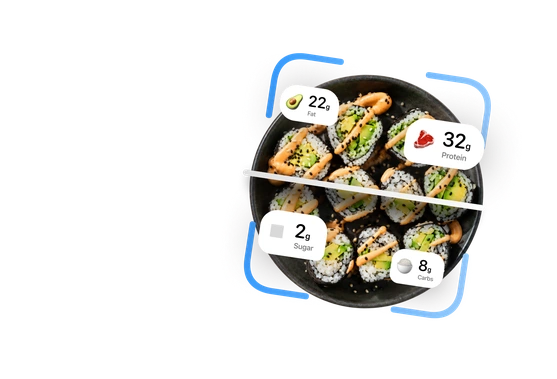
Snap a photo of your lunch and the app estimates sugar, fiber, protein and fat, then gives the meal a fit score based on how your body tends to respond. Over a week you will see which lunches leave you energized and which ones leave you reaching for the vending machine — no calorie counting required.
Frequently asked questions
Why do I get sleepy after lunch?
Most often because a lunch high in quickly digested carbohydrates raises blood sugar fast and the insulin response then pulls it down below where it started. That dip feels like fatigue, brain fog and a craving for something sweet.
What should I eat for lunch to avoid a crash?
Build the plate around protein and vegetables, add some fat, and treat bread, rice or pasta as a side. Eating the vegetables first and the starch last makes the same meal gentler on your blood sugar.
Does a walk after lunch really help?
Yes. Working muscles take up glucose without needing extra insulin, so even ten minutes of easy walking after a meal lowers the peak and softens the dip that follows.
All articles in this guide
- Sleep and sugar cravings: the cortisol linkYes. Even one short night can make your body handle sugar worse the next day: insulin sensitivity drops, cortisol and the hunger hormone ghrelin rise, and cravings for sweets follow. A protein-rich breakfast, morning daylight, a short walk after meals and an earlier last meal soften the effect while you catch up on sleep.2 min read
- Eating out without the spike: a simple playbookYou can eat out without a big spike by changing the order, not the menu. Start with vegetables or protein, keep bread and sweet drinks for later or skip them, pick a main built around protein with carbs as a side, ask for sauces separately, and take a short walk after the meal.2 min read